
Atlanta Previous Residents by Era
No single roll names every person tied to an Atlanta property. Deeds establish legal owners. Directories and census schedules add listed occupants, while permits and maps show what happened to the site itself. Begin with the newest reliable record and move back one dated step at a time. For most Atlanta parcels, that means Fulton County records. An eastern address may instead belong to DeKalb County, so confirm the county before choosing a clerk or assessor.
| Source | Years It Covers | Where Held | What It Shows |
|---|---|---|---|
| Fulton deeds and mortgages | Archival series, 1850-1931; later index coverage varies | Georgia Archives, Clerk, GSCCCA | Owners, transfers, legal descriptions, book and page |
| Atlanta city directories | 1859/60-1991 | Central Library Special Collections | Listed residents, occupations, spouses, addresses |
| Haines criss-cross directories | 1946-2016/17 | Central Library Special Collections | Listed occupant or phone found from an address |
| Federal census | Public schedules through 1950 | NARA and library microform | Households, relationships, ages, and occupations |
| House-numbering maps | 1926 | Georgia Archives | Links an old Atlanta number to a later one |
| Permits and inspections | Online start not officially stated | Atlanta Office of Buildings | Applicants, work, dates, inspections, and occupancy records |
A recent transfer usually starts with the parcel card and deed index. For the mid-twentieth century, an address search in Haines can name a listed occupant without first knowing the surname. Earlier work relies more on alphabetical directories, census schedules, deed books, and archival maps. Always save the date, record number, exact street form, and repository citation. A correct old entry answers who lived here before only for that publication or recording date.
Start Atlanta Previous Resident History
The Fulton County Board of Assessors property search accepts an owner name, location address, or parcel ID. Its parcel card can show the current owner, owner mailing address, situs address, legal description, values, sales, building facts, and exemption indicators. Situs means the physical property location. The mailing address is where tax notices go, and it may belong to an estate, company, attorney, or another residence.
Copy the parcel ID, full legal description, and latest sale citation. Do not infer that every owner lives at the property. A matching mailing and situs address or a homestead indicator may support that idea, but neither supplies a full household roster. Condominiums also need the unit parcel, declaration, and recorded floor plan; the building address alone may point to common space or hundreds of units.
Atlanta Previous Residents Deed Chain
The GSCCCA Real Estate index searches by county, party name, book and page, instrument number, instrument type, and filing date. A deed's grantor is the seller or giver; its grantee is the buyer or recipient. The chain of title is the linked run of those transfers for the same land. Match the land lot, parcel, or legal description at every step instead of relying on a street number.
- Use the assessor card to capture the present owner, parcel ID, legal description, and latest sale book and page.
- Open that instrument and note its grantor, grantee, recording date, prior-deed reference, and description of the land.
- Search the seller's name as a grantee in an earlier date range. Confirm that the resulting deed describes the same property.
- Repeat the seller-to-earlier-buyer search. Record name variants and each exact citation as the chain grows.
- When online results end, contact the Clerk's deed room or use the Georgia Archives Fulton deed and mortgage series.
- Grantor and grantee
- The party transferring an interest and the party receiving it.
- Chain of title
- The linked sequence of recorded transfers for one piece of land.
- Legal description
- The land lot, block, subdivision, dimensions, or other text that identifies land even when its street address changes.
The county does not state a complete Fulton electronic cutoff on its unauthenticated public pages. Avoid assuming that a blank online result means no deed exists. The Fulton County Clerk's Real Estate Division at 136 Pryor Street SW records deeds, liens, plats, surveys, and condominium plans, and customer service is available at 404-613-5313.
Atlanta Previous Resident Deed Access
The index is a locator, not always the full evidence. Results commonly show county, instrument type, filing date, book and page or instrument number, grantor, grantee, and an image link. The image can hold the legal description, prior-deed citation, notarization, cross-references, and a return-to address. Image or certification charges vary with the service.
The Fulton Real Estate Division page is the counter-access fallback. For older work, the Georgia Archives finding aid identifies Fulton deeds and mortgages from 1850 through 1931. Fulton County began in 1853 and absorbed Campbell and Milton Counties in 1932, so a land trail can change courthouse labels even though the tract stayed still.
The official Clerk page is shown below. It helps identify the office that holds plats and land records when an online image is missing.
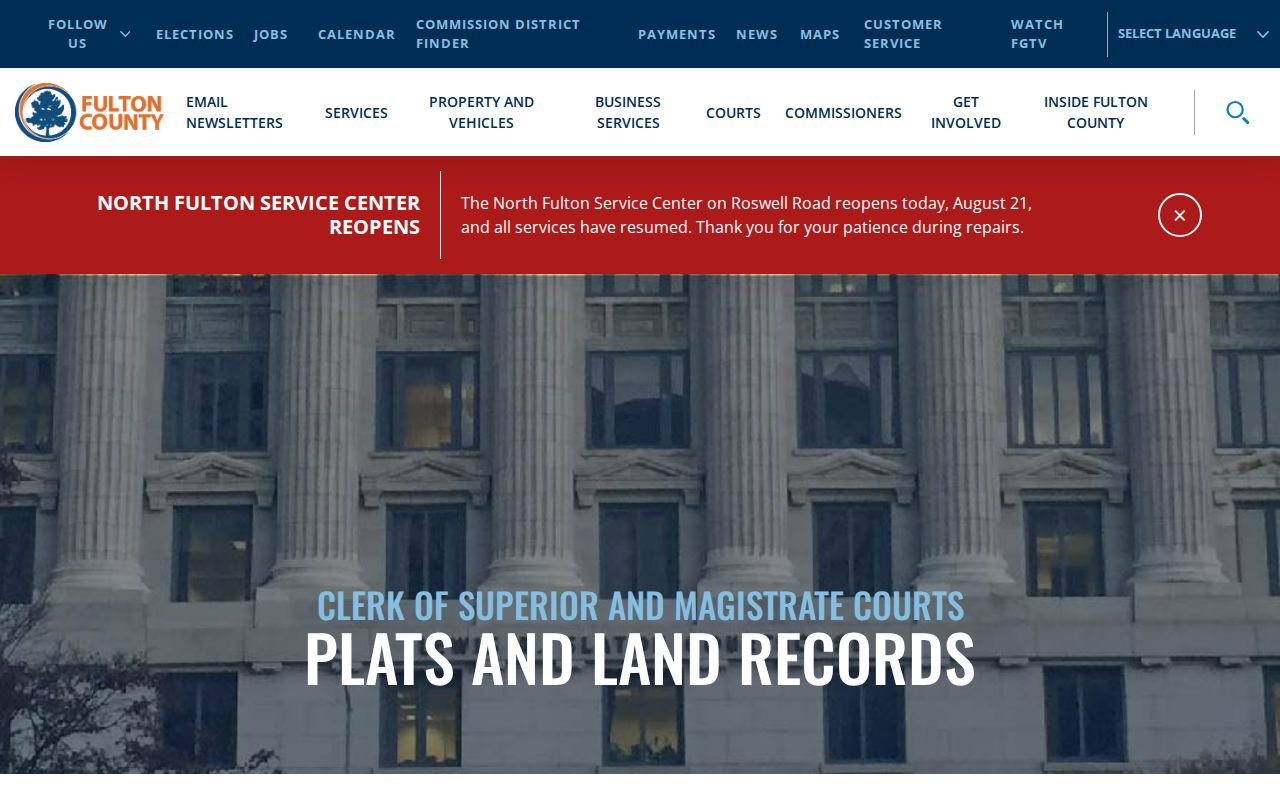
Use that office route with the deed citation already in hand. A precise book, page, instrument number, and parcel description produces a stronger request than an address alone.
The broader Fulton County Clerk of Superior Court page is also useful when the record trail moves from real estate into a public court file.
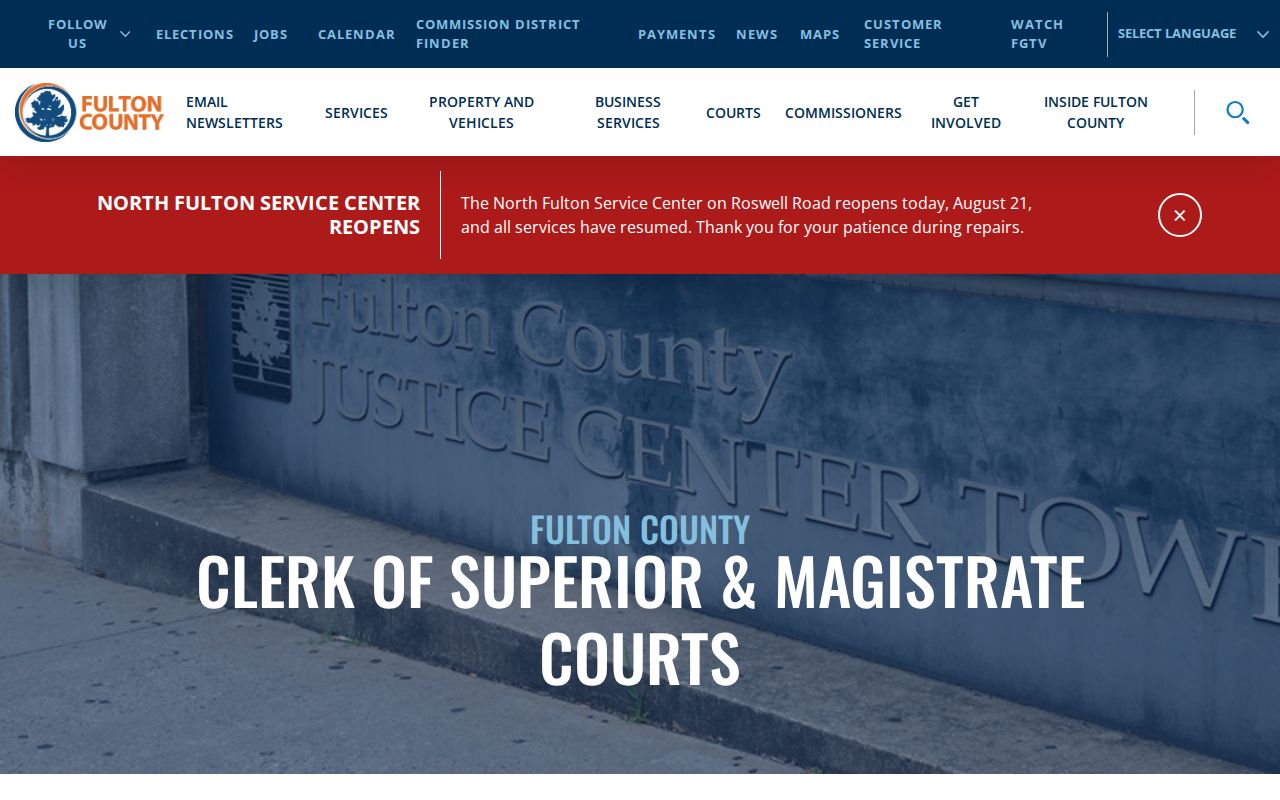
The Clerk records several distinct record classes, so cite the deed, plat, lien, or court matter sought instead of requesting an undifferentiated search.
Atlanta Previous Residents Numbering Bridge
Georgia Archives holds City of Atlanta house-numbering maps created in 1926. That local series can solve a false break in the previous residents trail. If a family vanishes from one number while the parcel and nearby households remain stable, compare the old and new number before treating the change as a move.
Keep the full street form. Peachtree Street, Peachtree Road, and West Peachtree Street are distinct, as are NE, NW, SE, and SW segments. The legal description, plat, and neighboring names can help confirm that two address forms point to the same land. Atlanta Waterworks blueprints, surveys, and plats from 1917 through 1932 may add more context.
Note: A house number is a search key, while the legal description is the best continuity check across Atlanta renumbering and parcel changes.
Atlanta Previous Resident Property Maps
Sanborn fire-insurance sheets show building footprints, construction materials, uses, outbuildings, and street-number context. They do not name the prior residents. Search the Library of Congress Sanborn collection or the Digital Library of Georgia by place and then verify the sheet and edition for the address.
Atlanta permit and inspection files can explain demolition, additions, conversions, or a certificate of occupancy. Search by address or permit number when available. Older or nonpublicly indexed files can be requested from the Office of Buildings with the property address, project number if known, year range, and desired record type. The research did not establish one complete online start year, so use the records request rather than declaring an older file absent.
Atlanta Resident Directories Meet Census
Ownership and occupancy are different facts. Central Library Special Collections holds Atlanta city directories through 1991 and Haines reverse directories through 2016/17. The reverse volumes begin with the address and return a listed occupant or phone. Alphabetical volumes can add a spouse, occupation, employer, and home address. Their publication lag and omissions make each entry a dated lead.
- Choose a target year and copy the exact street number, directional, and printed abbreviation.
- Check the street or reverse section, then inspect the alphabetical entry for each listed name.
- Compare adjacent years to distinguish a real move from one missed canvass.
- Pair directory observations with public federal census schedules through 1950 and check nearby households.
- Return to maps, plats, and deeds if the number changes or the lot was split.
The full shelves and entry keys are covered on the Atlanta city directory page. For one-address work, record only the facts needed to connect the property across years.
Atlanta Previous Residents in Probate
A transfer from an estate can interrupt a simple seller-and-buyer pattern. Fulton Probate Court keeps estates and wills, while available estate cases may appear through re:SearchGA after registration. Mail and counter access remain available. Guardianship files are confidential, so they are not a fallback for a blocked public search.
The Fulton Probate Court page shown below is the official route for current access details and records contacts.
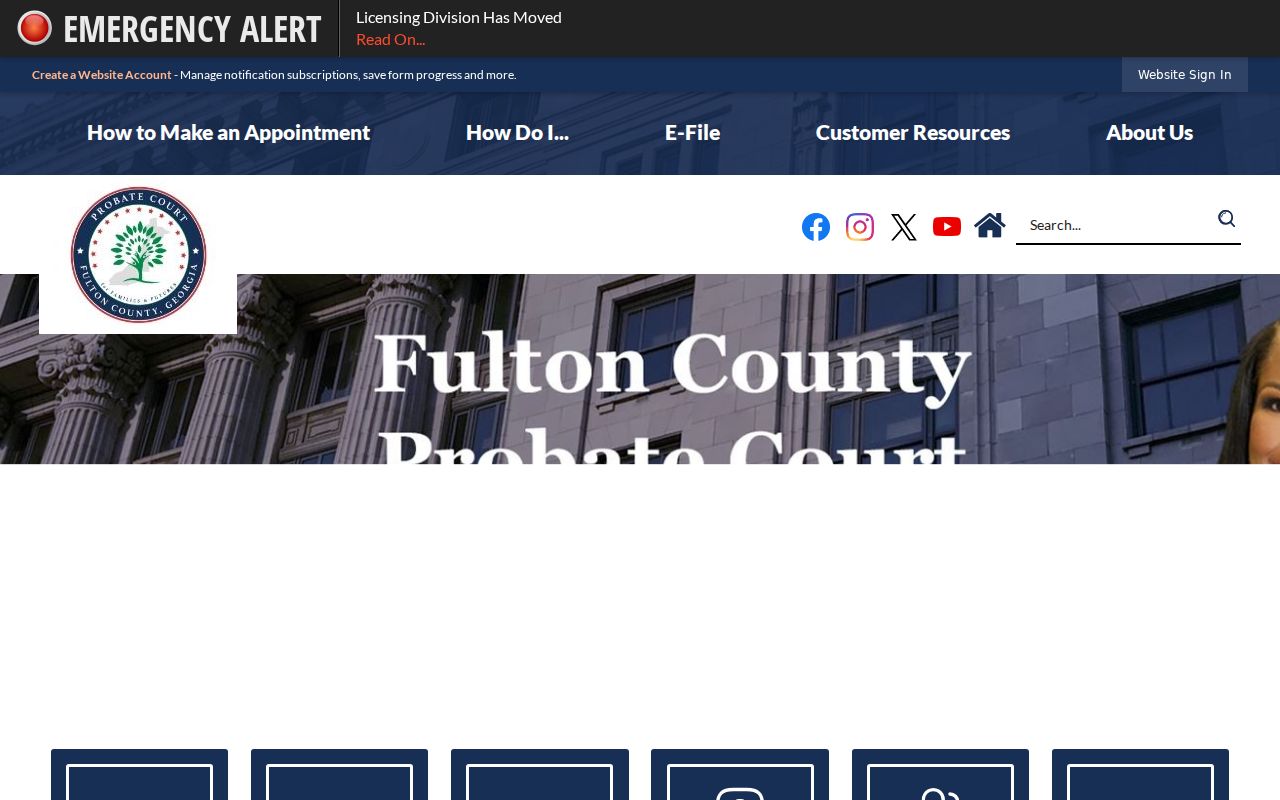
Pair a public estate filing with obituaries, cemetery records, and newspapers. Those sources may identify relatives or former addresses, but relationship claims remain leads until a deed, probate filing, census record, or vital record supports them.
Georgia's court case-management modernization page documents a developing statewide system, but it does not prove that every legacy Fulton file is in one public name search.
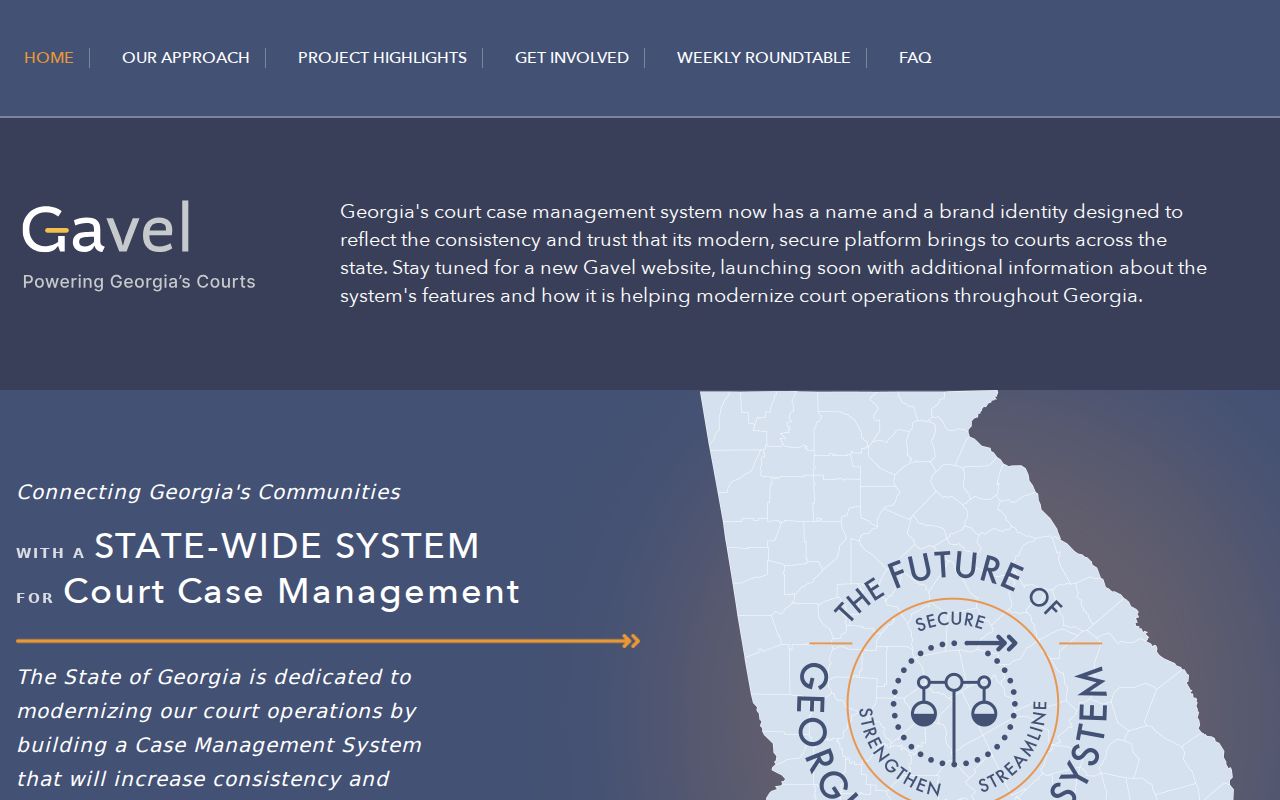
Continue to use the court-specific clerk, provider, mail, or counter route for the record and date involved.
An estate trail may also point to the Georgia Unclaimed Property Program, which offers a free name search but requires proof before a claim can be paid.
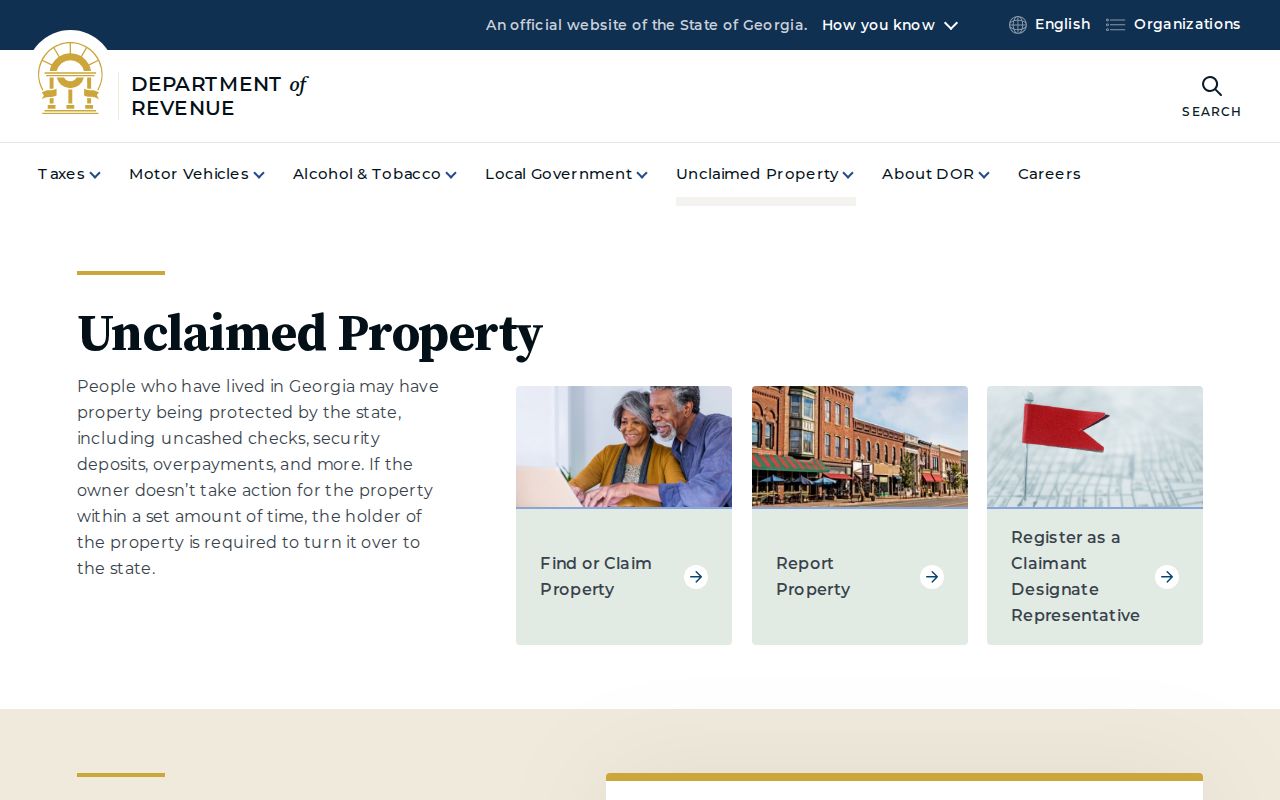
A city match is only a lead. Confirm the owner identity and relationship through probate, deeds, or other official records before drawing a conclusion.
Judge Atlanta Previous Resident Evidence
A recorded deed or parcel card is strong evidence of ownership at a stated date, not proof of every occupant. A directory is contemporary evidence that a publisher linked a name and address, but its canvass may lag or omit people. Census records add households at ten-year points. Newspapers, photographs, and manuscripts can fill gaps when their source and date are clear.
Preserve exact citations and use two independently issued identifiers for same-name matches. A parcel plus deed book and page is better than several web pages that copied one source. Likewise, a directory address paired with a census household is stronger than either alone. The goal is a dated chain, not a claim that one old name remained at the address indefinitely.
Lawful use. Research Atlanta previous residents for house history, genealogy, or an estate matter. Never use a record trail to watch, harass, intimidate, or harm a living person.